Table of Contents
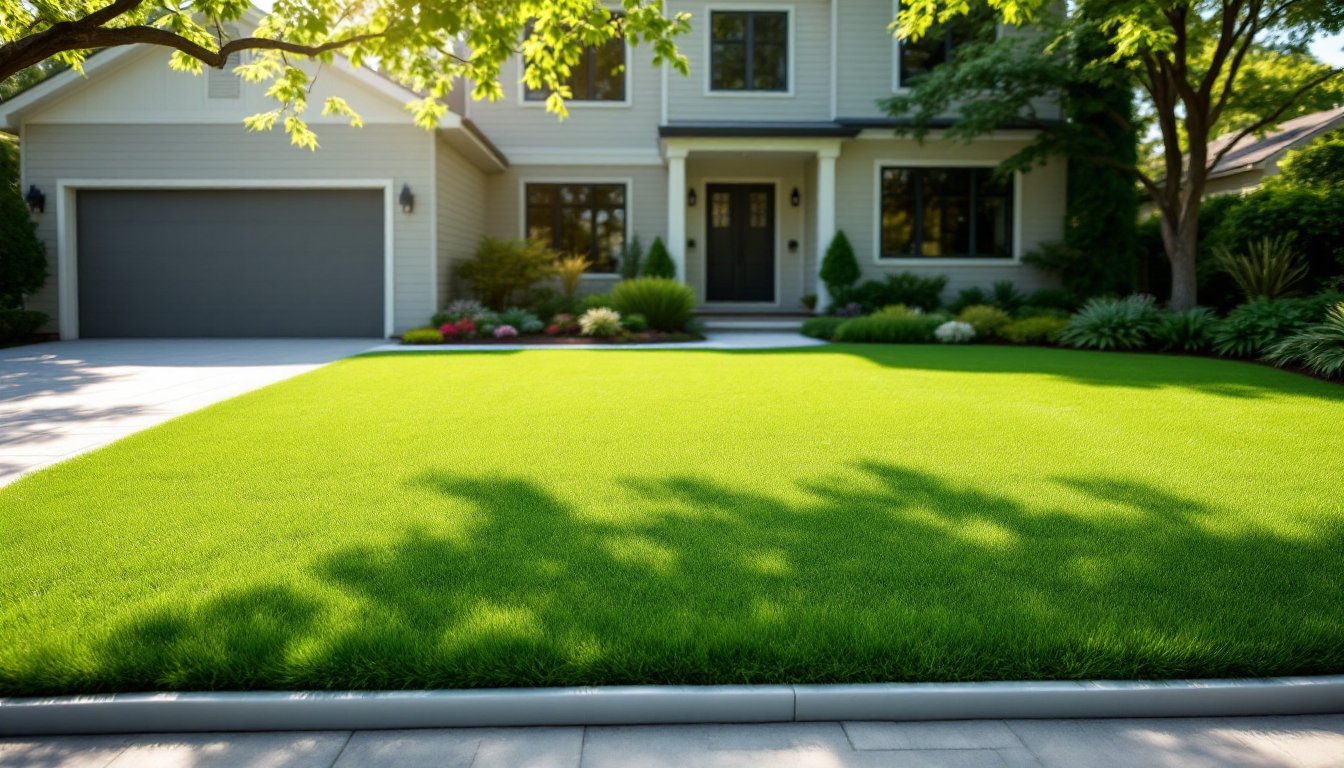
ToggleArtificial turf has come a long way from the plastic-looking stuff your neighbor installed in 2005. Modern artificial grass blends aesthetics with practicality, making it a sensible choice for homeowners tired of mowing, watering, and fighting weeds. Unlike the debate over whether lawn care is worth the effort, artificial turf eliminates that equation entirely, you get a green front yard year-round without the labor. Whether you’re dealing with poor soil, a shady spot where grass won’t grow, or simply want to reclaim your weekends, artificial turf deserves serious consideration. This guide walks you through selecting, installing, and maintaining artificial grass so your front yard stays attractive and functional for years to come.
Key Takeaways
- Modern artificial turf for front yard landscaping eliminates the need for mowing, watering, and weeding while providing year-round curb appeal and water conservation benefits.
- Quality artificial grass costs $10–15 per square foot installed and lasts 15–20 years, making it cost-effective compared to ongoing natural lawn maintenance and water bills.
- Proper installation requires careful site preparation, landscape fabric, appropriate infill material, and seaming—a manageable DIY project that takes 1–2 hours per 100 square feet once prep work is complete.
- Select artificial turf based on your climate and sun exposure: shorter pile for full-sun areas with fast drainage, denser stitching for high-traffic zones, and UV-stabilized fibers for hot climates.
- Routine maintenance of artificial turf is minimal—monthly brushing, occasional rinsing, and annual infill top-ups keep it looking fresh for decades without the labor of natural grass care.
- Check local codes and call utility locating services before installation to ensure compliance and avoid damaging buried lines.
Why Artificial Turf is Becoming a Popular Front Yard Choice
Artificial turf appeals to homeowners for straightforward reasons: water conservation, zero fertilizer or pesticide runoff, and dramatically reduced maintenance. In arid climates or drought-prone regions, eliminating lawn irrigation represents genuine long-term savings and environmental benefit. Modern synthetic grass products have improved dramatically: quality options now feature UV-stabilized fibers that resist fading and natural color variation that looks convincing from the street.
Beyond aesthetics, artificial turf handles heavy foot traffic without compaction or bare spots. Pet owners appreciate that it doesn’t turn to mud, drains properly, and doesn’t harbor fleas or ticks the way natural soil can. Unlike real grass, artificial turf requires no aeration, dethatching, or seasonal overseeding. The trade-off is upfront installation cost and occasional maintenance (brushing, rinsing, removing debris), but these tasks take minutes versus hours spent mowing or edging.
Commercial properties, sports facilities, and high-traffic residential areas have normalized artificial grass. As sustainable landscaping solutions continue evolving, synthetic options with improved drainage and eco-friendly materials are becoming mainstream, not just a novelty.
Planning Your Artificial Turf Front Yard Installation
Before you order a single roll of turf, measure your space accurately and map out the layout. A standard front yard might range from 400 to 1,000 square feet: measure length and width, then account for hardscaping (walkways, planter beds, driveways). Sketch your design on paper or take photos and overlay a grid to visualize how the turf will integrate with existing features.
Decide whether you’re replacing only the lawn or incorporating the turf as part of a broader landscape redesign. Artificial grass pairs well with raised beds, pavers, gravel strips, and decorative borders. Check local codes, some municipalities have restrictions on artificial turf coverage or require permits for significant landscaping changes. Call your local utility locating service before digging to ensure you don’t hit buried electric, gas, or water lines.
Order slightly more material than your measurements indicate (roughly 10%) to account for waste at edges and overlaps. Quality matters: budget $8 to $15 per square foot installed, depending on turf quality, site prep complexity, and regional labor costs. Low-cost turf ($3–5 per square foot) often fades quickly and looks plastic: mid-range to premium options ($10–15) offer better durability and appearance.
Design Ideas and Layout Options
A simple layout runs turf edge-to-edge across the front, bordered by existing hardscape or a defined edge. Partial coverage, turf in high-traffic zones while leaving other areas for perennials or ground covers, creates visual interest and reduces material cost. Diagonal layouts or curved borders take more cutting but photograph well: straight grids are faster and look cleaner. Consider how your front entry and driveway align with the turf: patterns that echo existing lines feel intentional rather than random.
Selecting the Right Artificial Turf for Your Climate
Artificial turf comes in different pile heights, densities, and materials, each suited to different uses and climates. Pile height (the length of the blade) typically ranges from 1.5 to 2.5 inches for residential use: shorter pile drains faster and suits full-sun areas, while taller pile feels plush and handles shade slightly better. Density (stitches per square inch or face weight) affects durability, denser turf ($12–15/sq ft) resists matting and holds up longer in high-traffic zones, while lighter density ($8–10/sq ft) works for low-traffic areas like side yards.
Climate matters. Hot, sunny climates require UV-stabilized polypropylene or polyethylene fibers that resist fading: cooler regions can tolerate less expensive materials. Shade-prone yards benefit from turf with slightly better heat retention, counterintuitively, darker or more densely stitched products perform better under trees. Rainfall affects drainage strategy: high-rain areas need aggressive perforated infill systems.
Recent products include eco-friendly options like recycled rubber crumb infill (better for the environment, less heat retention) and cork-based alternatives. Premium synthetic grass now offers realistic color variation and softer feel, though these cost more upfront. Compare samples from multiple manufacturers if possible: request swatches and lay them in your yard’s light conditions to see how they look at different times of day. Resources like The Spruce and Sunset Magazine offer detailed product comparisons and climate-specific recommendations that help narrow your choices.
Installation Steps for DIY Front Yard Projects
Installation requires careful prep work and isn’t quick, but it’s manageable for a motivated homeowner with basic tool skills. Decide upfront whether this is a two-person weekend project or a day-long slog, artificial turf installation typically demands 1–2 hours per 100 square feet once prep is done.
Materials & Tools You’ll Need:
- Landscape fabric or weed barrier
- Artificial turf rolls (plus 10% waste margin)
- Adhesive or seaming tape (if joining multiple sections)
- Bender board, aluminum edge trim, or landscape edging
- Infill material (crushed rubber, sand, or cork)
- Rake, tamper, and broom
- Utility knife or carpet cutter
- Gloves, eye protection, dust mask
Step-by-Step Process:
-
Remove existing vegetation. If replacing natural grass, strip the sod down to bare soil or remove overgrown weeds. A mattock or flat shovel works: rent a sod cutter for yards over 500 square feet to save time and strain.
-
Grade and compact the base. Smooth the soil and remove rocks, roots, and debris. Compact the ground firmly, loose soil shifts and causes lumps. A hand tamper works for small areas: rent a plate compactor for larger yards. The surface should feel stable underfoot.
-
Lay landscape fabric. This blocks weeds from pushing through. Overlap seams by 6 inches and staple or pin the edges down so it won’t shift during installation.
-
Set up edge trim. Install bender board, aluminum edging, or landscape borders around the perimeter. This keeps the turf and infill contained and gives a finished appearance. Secure with stakes or fasteners every 2–3 feet.
-
Unroll and position the turf. Lay artificial grass out in sections, aligning seams. Let it acclimate to the sun for 24 hours if possible, this allows the backing to relax and lie flat. Position sections so seams run north-south (less visible in afternoon light).
-
Seam and secure edges. Butt seams tightly and secure with seaming adhesive or specialized seaming tape designed for artificial turf. Follow the product instructions, some adhesives set in 24 hours and require precise alignment. For edges, secure the turf to the perimeter trim with landscape fasteners or adhesive, depending on the product. Wrap it slightly up the edge trim for a clean finish.
-
Cut and fit around obstacles. Use a utility knife or carpet cutter to trim around planter beds, walkways, or utility boxes. Make clean, straight cuts: ragged edges fray and look unfinished. Save the trimmed pieces, they may fill gaps elsewhere.
-
Apply infill material. Spread rubber crumb, sand, or cork infill evenly across the entire surface at the rate specified by the turf manufacturer (typically 2–4 pounds per square foot). This adds weight, improves drainage, and fills the space between blades so they stand upright. Sweep or rake it out until it sits evenly in the thatch layer.
-
Brush and settle. Use a stiff broom or mechanical power broom to brush the turf in multiple directions, working infill deeper into the blades. This helps fibers stand upright and distributes infill uniformly. Rake lightly to remove any wrinkles or high spots.
-
Water and compact (optional but recommended). A light watering helps settle infill: some installers do a final pass with a plate compactor set to light pressure to firm everything up.
Wear work gloves, eye protection, and a dust mask when handling infill material and cutting turf. The cutting creates fine fibers that can irritate lungs if inhaled. Allow the turf 24–48 hours before heavy foot traffic to let seams and infill settle.
Maintenance and Long-Term Care Tips
Artificial turf requires far less upkeep than natural grass, but some routine care extends its life and keeps it looking good. Debris accumulates, leaves, twigs, dirt from foot traffic, so brush or rake the surface monthly, or more often in fall if you have tree coverage. A stiff outdoor broom works: for larger yards, a mechanical power broom or leaf blower accelerates the process.
Rinse the turf every few months with a garden hose to remove dust and freshen the appearance. In high-traffic areas, infill material can settle or migrate, so use a rake or broom to redistribute it back into the thatch layer. Top up infill annually if needed: expect to add 0.5–1 pound per square foot yearly depending on foot traffic.
Pet waste requires immediate cleanup, solid waste should be scooped like you would with natural grass, and liquid urine should be rinsed away with water to prevent odor buildup. Some owners apply an enzymatic deodorizer designed for artificial turf if smell becomes an issue. Avoid fertilizers, pesticides, and harsh chemicals, these aren’t needed and can degrade the backing.
Weeds won’t grow through quality landscape fabric backed by proper compaction, but seeds can still lodge on the surface. Spot-treat any weeds with a non-selective herbicide or pull them by hand immediately. Inspect seams annually and reseal any gaps that develop with seaming adhesive. Professional pressure washing isn’t necessary, but a gentle rinse with a standard garden hose prevents dust accumulation and keeps the color vibrant. Most quality artificial turf lasts 15–20 years with basic care: expect to eventually replace the infill material partway through that lifespan as it compacts and breaks down. Explore landscape design ideas on our site for inspiration on how to refresh your overall yard layout if the turf begins to show its age.
Conclusion
Artificial turf is no longer a niche product, it’s a pragmatic choice for homeowners seeking durability, low maintenance, and year-round curb appeal. Success hinges on honest assessment of your needs, proper site prep, and selecting a quality product suited to your climate. The upfront investment pays back through water savings and reclaimed time, especially if you’re replacing a struggling natural lawn or irrigating in a water-scarce region. Install it thoughtfully, maintain it minimally, and you’ll enjoy a polished front yard without the weekend obligation.