Table of Contents
ToggleA corner lot is either a blessing or a curse, there’s no middle ground. You’ve got visibility from two streets, which means more eyeballs on your property and more curb appeal potential. But you’re also dealing with increased foot traffic, dog walkers, and constant wind exposure from multiple directions. The good news? Corner lots are prime real estate for creative landscaping that turns those challenges into design advantages. Whether you’re starting from scratch or revamping an overgrown mess, the strategies in this guide will help you create a landscape that’s both beautiful and functional.
Key Takeaways
- Corner lot landscaping demands strategic design that turns challenges like wind exposure and increased foot traffic into design advantages rather than fighting them head-on.
- Create one strong focal point on your most visible street to establish property character, then keep the secondary side softer and low-maintenance to manage two views strategically.
- Plant wind-tolerant species like serviceberry, hackberry, and ornamental grasses; avoid weak-wooded trees like silver maples that snap easily in the 30–50% higher wind stress corner lots experience.
- Direct foot traffic with clear 3-to-4-foot-wide hardscaped pathways using pavers or stepping stones to protect plantings and define your landscaping zones intentionally.
- Use permeable layered screening with staggered evergreens spaced 4 to 6 feet apart rather than solid fences—wind can filter through while blocking sight lines more effectively.
- Phase your corner lot landscaping over one to three seasons with small, affordable plant specimens and bulk mulch from local suppliers to save thousands without compromising design impact.
Understanding Your Corner Lot Landscape Challenges
Before you buy a single plant, understand what makes corner lots different. You’re dealing with exposure on two sides, which means more sun, wind, and visibility than a standard lot. That double-street frontage also means neighbors and passersby have unobstructed views of whatever’s happening in your yard.
Wind is the silent killer of corner lot landscapes. A property exposed on two sides can experience 30–50% more wind stress than a sheltered site. This dries out soil faster, damages delicate plants, and can topple unsupported trees or shrubs. Soil drainage and sun exposure will vary dramatically depending on which corner of your lot you’re landscaping. A northeast-facing corner gets cooler, shadier conditions. A southwest-facing one bakes in afternoon heat and intense UV exposure.
High foot traffic is another reality. Corner lots sit at natural pedestrian intersections, so assume more wear on pathways and planted areas. Dog owners treat corner properties like landmarks, which means urine damage to plants and compacted soil near sidewalks. Start with landscape design ideas that account for these realities rather than fighting them.
Leveraging Visibility to Create Focal Points
Two street frontages mean you have two opportunities to make a statement. Instead of treating both sides equally, focus on creating one strong focal point that draws the eye and defines your property’s character.
Pick the street with more traffic or the one visible from your home’s main entry. Frame a specimen tree, a planting bed, or a hardscape feature, maybe a striking metal arbor, a raised planter with seasonal flowers, or a sculptural plant like a contorted hazel or ornamental grass. That focal point should be visible from at least 100 feet away and complement your home’s architecture.
The secondary side can be softer. Use low-maintenance plants and simple lines that don’t compete with your main statement. You’re not trying to impress the same audience twice: you’re managing two views strategically. Consider sight lines from across the street and from cars passing at 30 mph. Details disappear at speed: bold shapes and color blocks work better than intricate designs. Layering with garden path ideas creates depth without clutter and guides visitors naturally through the space.
Best Plants and Trees for Corner Lot Exposure
Wind tolerance and adaptability are your top priorities. Avoid columnar or top-heavy trees that catch wind like sails. Instead, choose broad, spreading species with strong branch structure.
Wind-tolerant trees include serviceberry, hackberry, some oak species, and crabapple. These handle exposure without constant staking or babying. For shrubs, look at dwarf evergreens like Emerald Green arborvitae (though use wind-resistant cultivars, not the standard upright form), boxwood, and junipers. Native shrubs adapted to your region will handle stress better than exotic specimens.
For high-traffic areas near sidewalks, choose plants that tolerate compacted soil and the occasional foot traffic. Ornamental grasses like Karl Foerster feather reed grass look striking in corner settings, tolerate wind, and require minimal fussing. Daylilies, coneflowers, and black-eyed Susans are tough, colorful, and don’t mind neglect. Evergreen groundcovers like creeping juniper or sedum work in drier corners and don’t create trip hazards like loose mulch.
Avoid weak-wooded trees like silver maples, poplars, and willows. Yes, they grow fast, but they’ll snap in wind and create costly headaches. Check resources like The Spruce for cultivar recommendations suited to your hardiness zone. Layer plants by height, tall trees in back, medium shrubs in the middle, low perennials in front, to create depth and soften sight lines.
Strategic Hardscaping Solutions for High-Traffic Areas
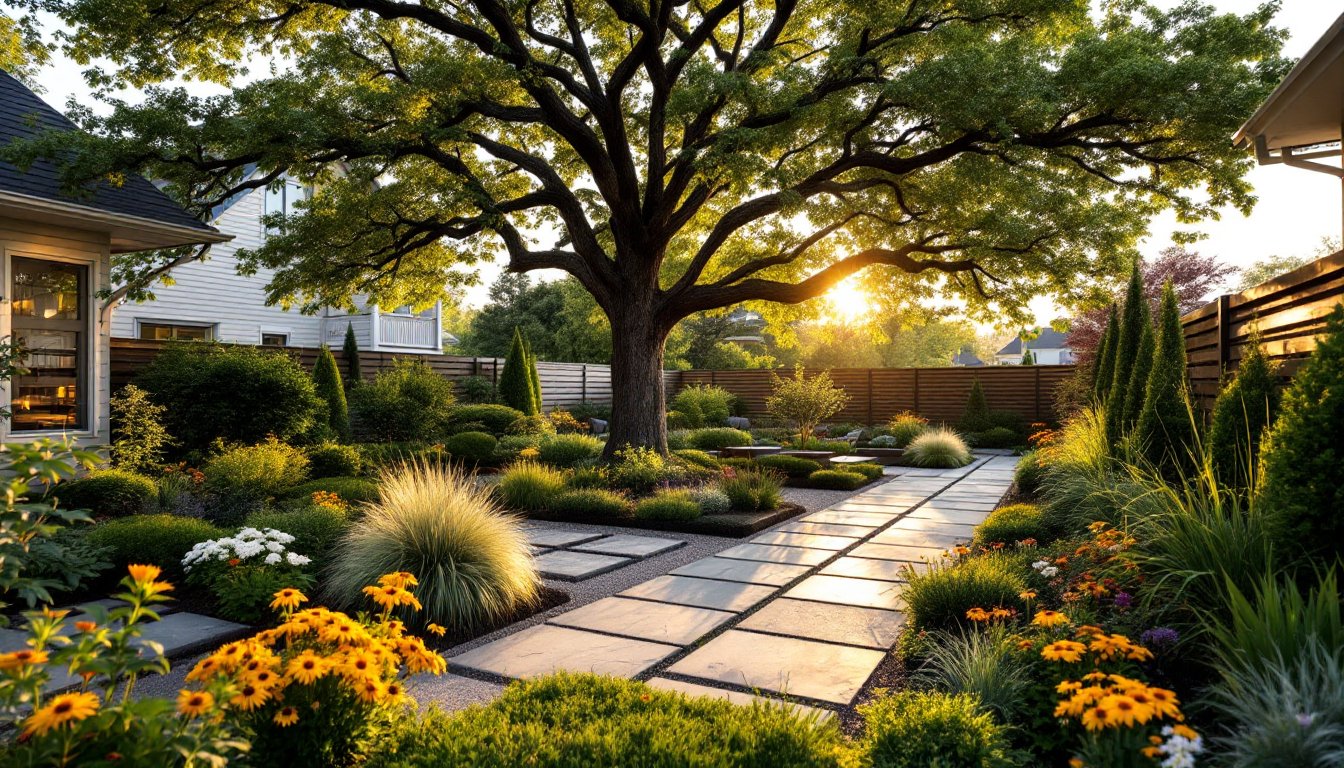
Hardscaping, pavers, gravel, edging, and structures, takes the pressure off plants in heavy-traffic zones. Instead of fighting foot traffic on your front beds, direct it with a clear pathway using pavers or stepping stones. A 3- to 4-foot-wide path signals “use me” and protects plants behind it.
For the corner intersection itself (where two streets meet), consider a small seating area or a visual pause point. A bench, a small gathering of pavers, or a low retaining wall creates purpose and reduces the sense of emptiness that corner lots often feel. Keep it simple: you’re not building a patio, just a defined zone.
Gravel works in drier, shadier corners where grass struggles. Use 4 to 6 inches of landscape-grade gravel over landscape fabric to suppress weeds and define planting zones. It’s cheap, editable, and honestly, looks intentional rather than neglected. Edge everything, beds, gravel areas, and turf, with steel, plastic, or aluminum edging. Crisp edges make small spaces feel designed, not haphazard.
Raised planters work brilliantly on corner lots. They’re modular, moveable if you want to adjust the design, and they keep compacted soil away from plant roots. A 12-inch-deep raised bed is sufficient for most perennials and ornamental grasses. Build from untreated timber or composite materials. Garden ideas often showcase raised beds as centerpieces for corner lots because they’re both functional and attractive.
Privacy and Wind Protection Techniques
If a corner lot feels exposed, it’s because it is. Creating a sense of enclosure doesn’t mean building a fortress, it means using plants and structures strategically to frame your space and reduce wind exposure.
Living screens are gentler than fences and often more attractive. A row of evergreen shrubs spaced 4 to 6 feet apart (depending on mature width) creates a visual barrier without looking defensive. Skip the solid hedge: instead, plant in a staggered pattern at varying heights so wind can filter through rather than slam into a wall. This actually works better for wind management, a permeable barrier breaks airflow more effectively than a solid fence.
For faster privacy, add a 4- to 6-foot fence on the side needing the most screening. Horizontal slat fences with 1-inch gaps let wind pass while blocking sight lines. Solid board fencing traps wind and creates turbulent eddies on the downwind side, not ideal. Check local setback rules: many jurisdictions require fences to sit a certain distance from property lines.
Plant tall evergreens like blue spruce, Norway spruce, or eastern red cedar on the windiest side of your lot. These act as a windbreak for the entire property, not just the front yard. They take time to mature, so pair them with faster-growing shrubs or annual plantings for immediate impact. Layering plants at different heights, tall trees in back, medium shrubs in the middle, groundcovers in front, creates a natural gradient that soften wind and feels less fortress-like.
Practical Budget-Friendly Implementation Tips
Corner lot landscaping doesn’t demand a six-figure budget if you prioritize and phase the work. Start with the focal point and hardscaping, which provide the biggest visual and functional impact per dollar spent.
Phase your planting over one to three seasons. Buy small, affordable specimens, 3-gallon shrubs instead of 15-gallon trees, and let them grow. You’ll save thousands, and plants often establish faster when younger. Mulch beds heavily (3 to 4 inches) to suppress weeds, retain moisture, and reduce irrigation costs. Use affordable bulk mulch from local suppliers rather than bagged product.
Dig your own holes and do the planting yourself. Most landscape labor costs come from installation, not materials. A shovel, work gloves, and a YouTube video cover 90% of planting fundamentals. Invest in good soil amendments, compost and peat moss, rather than planting directly into compacted builder’s soil. The $50 you spend on amendments now saves thousands in water and replacements later.
Start simple with landscape design ideas that don’t require irrigation, hardscaping, or special grading. Ornamental grasses, native perennials, and shrubs handle the regional climate without fussing. Skip designer plant varieties in high-traffic areas: go with durable standards. You can experiment once the bones of your landscape are solid.
Buy from local nurseries if possible. They stock plants suited to your climate and often provide better advice than big-box stores. Building a relationship with a local nursery also pays off when you need replacements or advice on plant stress.
Conclusion
Corner lot landscaping rewards strategy over size. Focus on understanding your site’s challenges, wind, exposure, foot traffic, and turning them into design opportunities. One strong focal point, strategic hardscaping, wind-tolerant plants, and layered screening create a polished, functional landscape that handles corner lot realities without apology. Inspired by examples from Country Living, successful corner lot designs balance privacy with openness, structure with softness. Start small, phase in the work, and adjust as seasons pass. Your corner lot isn’t a liability, it’s a showcase.