Table of Contents
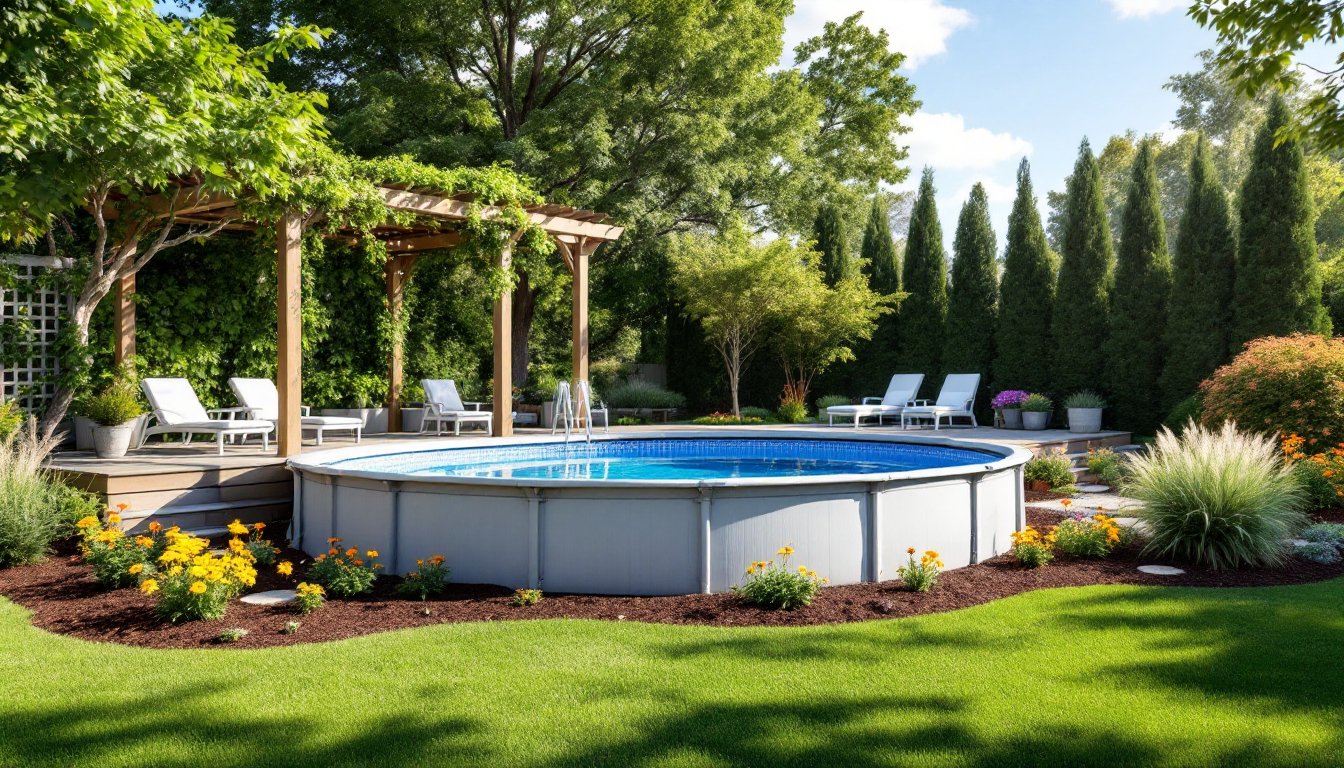
ToggleAn above-ground pool transforms a backyard into an instant gathering spot, but without thoughtful landscaping, it can look more functional than inviting. The right plantings, hardscaping, lighting, and privacy screens turn that utilitarian structure into a genuine outdoor oasis where friends and family actually want to spend time. Whether you’re working with a modest corner lot or sprawling acreage, strategic landscaping around your above-ground pool makes the space feel intentional, cohesive, and ready for memorable summers. This guide walks you through the most practical and visual upgrades that work at any budget.
Key Takeaways
- Backyard above ground pool landscaping transforms a utilitarian structure into an inviting outdoor oasis through strategic plantings, hardscaping, lighting, and privacy screens.
- Plant a lush garden border using low-growing perennials like coreopsis and black-eyed Susan, keeping plants 2 feet back from the pool edge to prevent root damage and allow for cleaning access.
- Install a functional deck or patio at matching height to your pool (30–36 inches) with proper drainage slope and 8–10 feet of comfortable lounging space around the pool wall.
- Add shade solutions using pergolas, shade sails, or deciduous trees positioned 10–15 feet back to keep water warm while protecting skin without debris falling into the pool.
- Incorporate underwater LEDs and path lighting with GFCI protection to extend your pool season into the evening and ensure safe footing around deck edges.
- Use privacy screens, hedging plants, or living walls on the windward side to block wind (which can cool water 3–5°F per hour) and soften neighbor views while adding visual interest.
Create a Lush Garden Border Around Your Pool
A living frame around your pool immediately elevates the aesthetic and creates a natural transition from pool to lawn. Start by measuring the pool perimeter and accounting for access paths, you’ll want at least 18 inches of clear deck space on all sides for safety and foot traffic.
Choose plants that thrive in your USDA hardiness zone and tolerate splash, chlorine drift, and occasional foot traffic. Low-growing perennials like coreopsis, black-eyed Susan, and daylilies work well in zones 3–9 and need minimal maintenance once established. For tropical climates, pentas and begonias handle moisture and reflected heat without fussing.
Keep plants back from the pool edge itself, a 2-foot setback allows for cleaning and prevents root systems from exploring the pool structure. Dig planting beds 12 to 18 inches deep, amend the soil with compost, and mulch with 2–3 inches of bark or wood chips to retain moisture and suppress weeds. Space perennials according to their mature width (typically 12–24 inches apart for border plants) so they fill in without crowding. Water regularly for the first season, then taper back once they’re established: most drought-tolerant perennials need only 1 inch of water per week during hot spells.
Consider adding ornamental grasses, fountain grass or feather reed grass add movement and visual interest without demanding frequent pruning. Avoid species that drop excessive debris into the pool: willows, cottonwoods, and certain maples will turn your water into a cleanup nightmare in fall.
Design a Functional Deck or Patio Space
A well-built deck or patio anchors the pool area and creates usable outdoor living space. Most above-ground pools sit 30–36 inches high, so your deck should approach that height for easy entry and exit, check your pool’s manual for exact specs.
For deck construction, pressure-treated lumber (rated for ground contact) works for joists and posts: composite decking materials (like Trex or TimberTech) cost more upfront but need less maintenance. Size your joists according to span and spacing, an 8-foot deck with 16-inch on-center joists typically uses 2×8 PT lumber. Most jurisdictions require deck permits if it’s over 30 inches high or attached to the house: check local codes before breaking ground.
For patios, stamped concrete, pavers, or natural stone all work well. Concrete offers the lowest cost ($8–12 per square foot installed, regionally variable) and fastest installation: pavers ($12–20 per square foot) look finished and allow individual replacement if one cracks. Ensure proper slope, 1/8 inch per foot, so water drains away and doesn’t pool around the deck edge.
Leave gaps of 1/4 inch between pavers or deck boards for thermal expansion: wood moves with temperature and moisture, and tight spacing causes buckling. Install ground fabric beneath pavers to minimize weeds. A pool deck or patio should run at least 8–10 feet out from the pool wall to give people comfortable lounging and furniture space without feeling cramped.
Install Strategic Shade Solutions
Shade keeps water temperatures lower, extends comfortable lounging hours, and protects skin. A combination of permanent structures and plantings gives you flexibility.
A pergola or shade sail above one corner of the deck filters sunlight without blocking views of the pool. Pergolas run $2,000–5,000 installed (depending on size and materials): a 12×12-foot shade sail costs $500–1,500 and goes up quickly. Position shade to cover lounge chairs and deck edges rather than the pool itself, you want sun on the water to aid heating.
Fast-growing trees planted 10–15 feet back from the pool provide lasting shade without debris falling directly into the water. Deciduous trees (maple, oak, or locust) drop leaves in fall but let winter sun through: evergreens block sun year-round. Space trees at least one mature width apart so they don’t crowd each other. A 30-foot-tall oak may take 15–20 years to offer real shade, so combine saplings with temporary structures if you want immediate relief.
Fabric shade cloths (30%, 50%, or 70% density) attach to a simple frame and cost $300–800 for a 12×12-foot canopy. They’re removable and work well for creating a defined lounging zone. Use 70% shade cloth on the south side of your deck and lighter 30% cloth on the east or west to balance sunlight without overheating.
Add Lighting for Evening Ambiance and Safety
Strategic lighting extends your pool season into evening and ensures safe footing around deck edges. Pool lighting ranges from simple to sophisticated, but safer and more affordable than you might think.
Underwater LEDs (12V, low-voltage) cost $200–500 for a complete kit and install into the pool wall. They’re safer than line-voltage systems, run cool, and create an inviting glow. Most plug into a timer and GFCI outlet: verify that your pool frame accommodates LED fixtures (some older models don’t, and retrofitting requires draining and patching).
Deck lighting prevents stumbles and injuries. Path lights along edges, either hardwired low-voltage or solar-powered, cost $10–30 per unit. Hardwired systems last longer and shine consistently: solar units fade on cloudy days but need no wiring and cost almost nothing to run. Install lights 6–8 feet apart along walkways and around stairs.
LED string lights or pendant fixtures hung above the deck create ambient atmosphere without harsh overlighting. Use warm-white LEDs (2700K color temperature) for inviting warmth: avoid cool blue or harsh daylight tones. Always use GFCI-protected circuits for any hardwired pool lighting, and hire a licensed electrician for anything beyond simple low-voltage LED kits. Most codes require GFCI protection within 6 feet of the pool, and some jurisdictions mandate bonding and grounding for any metal structures near the water.
Incorporate Privacy Screening and Windbreaks
Privacy screens and windbreaks transform your pool area into a sheltered retreat and soften the view of neighbors’ yards. Wind can cool water 3–5°F per hour and send deck furniture flying, so strategic barriers pay dividends.
Lattice or slatted privacy screens (pressure-treated or vinyl) mount to posts 6–8 feet tall and run $30–60 per linear foot installed. Position them on the windward side and along sight lines to neighbors. Solid fencing blocks more wind but requires building permits in most jurisdictions: lattice or slatted designs allow some airflow so they’re less likely to catch and damage in storms.
Fast-growing hedging plants, like Leyland cypress (zones 6–10), privet, or arborvitae, create living privacy screens. Space them 3–4 feet apart and plan for 3–5 years to reach 6–8 feet tall. They’re cheaper than structures long-term but require annual pruning. Bamboo grows aggressively and reaches privacy height in 2–3 years but spreads underground: contain it in raised beds or install rhizome barriers.
Combine hardscape and soft landscaping: a 4-foot privacy fence with climbing vines or a pergola topped with fast-growing clematis or jasmine gives layered screening without looking fortress-like. Ensure any new structure complies with local setback requirements, most municipalities require privacy screens to be at least 3–5 feet from property lines. Check before digging or building to avoid costly removal.
Integrate Water Features and Complementary Elements
Fountain jets, spillways, and water features add visual interest and create soothing background sound. A simple recirculating fountain ($400–1,000) doesn’t require a separate water line: it recycles existing water through a pump and looks polished without fussy plumbing.
Small ponds, basins, or rain gardens positioned near the pool create habitat and visual focal points. Birdbaths or shallow water features attract wildlife and reinforce the garden aesthetic. If you build a pond, keep it at least 8–10 feet from the pool so debris and runoff don’t contaminate the chlorinated water. Line it with a rubber EPDM membrane (60-mil minimum) and a protective underlayment: holes from sharp gravel or roots cause slow leaks. Ponds need regular skimming and occasional cleaning, so position them where they won’t fill with leaves from nearby trees.
Incorporate fire pits or outdoor hearths on the deck if local codes permit. They extend the pool season into fall, create gathering ambiance, and cost $500–2,000 depending on permanence and materials. Check with your fire marshal about clearances from structures and vegetation.
Hardscape elements like stepping stones through planting beds, decorative rocks, or timber borders add texture and guide foot traffic. Stepping stones should be laid on compacted soil or a sand base (1–2 inches) and spaced for an average 24-inch stride. Use natural stone, flagstone, or reinforced pavers rated for foot traffic. These finishing touches tie the entire landscape together and make the pool area feel intentional rather than improvised.
Conclusion
Transforming an above-ground pool into a cohesive outdoor living space doesn’t require professional design or a massive budget, thoughtful borders, functional hardscaping, and strategic layering of shade and privacy turn it into a genuine retreat. Start with what matters most: safe deck access, plants that thrive in your zone, and screening that blocks wind and neighbors’ views. Add lighting and complementary features as your timeline and budget allow. The results are a backyard where your family actually wants to spend summer.