Table of Contents
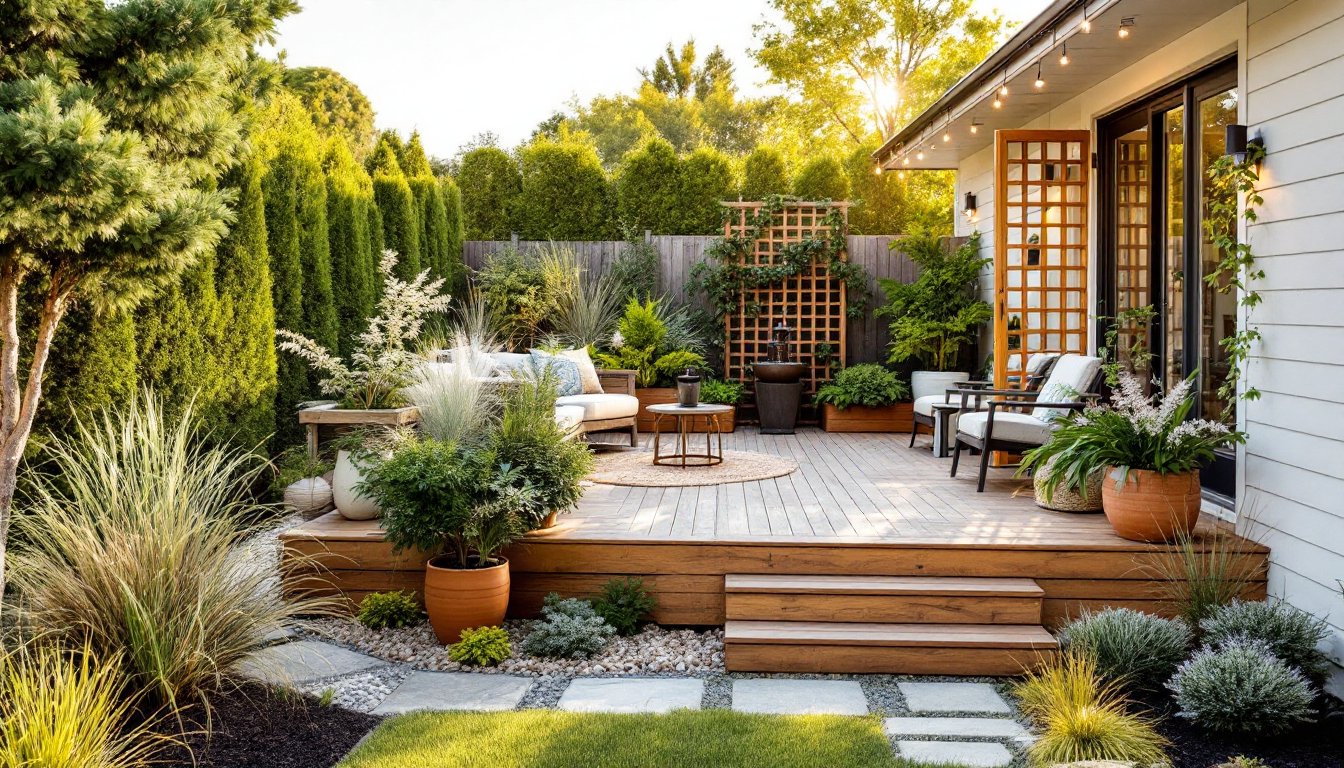
ToggleA deck is only as inviting as the landscape around it. Too many homeowners build a functional outdoor platform and then stop, missing the chance to turn their deck into a true extension of their living space. The real magic happens when you thoughtfully layer plants, lighting, and hardscape elements around and near your deck. In 2026, smart deck landscaping combines low-maintenance greenery, flexible container planting, and ambient lighting to create an outdoor room that works year-round. Whether you’re starting from bare ground or refreshing a tired setup, these practical ideas will help you design a deck landscape that feels polished, inviting, and genuinely livable.
Key Takeaways
- Layer plants from short to tall around your deck base using shade-tolerant shrubs like boxwood for north-facing areas and sun-loving options like Russian sage for brighter exposures to create visual depth and a polished frame.
- Container gardens offer flexible, movable planting solutions for deck landscaping ideas—use consistent pot sizes and colors, stack them at varying heights, and plan for monthly feeding during growing season.
- Transform your deck into an evening gathering space with layered lighting: solar LED string lights for ambiance, low-voltage recessed lights for safety, and fire features (following local codes) to extend your season.
- Privacy screens made from climbing vines like clematis or Boston ivy on sturdy trellises soften hardscape lines while providing seclusion, with mature coverage achievable within two growing seasons.
- Raised beds and planters serve dual purposes for deck landscaping—they grow vegetables or herbs within reach of your kitchen while adding architectural interest and visual layering to your outdoor space.
- Water features like tabletop fountains or drought-resistant gardens with ornamental grasses and sedums anchor your design, reduce maintenance, and create natural focal points without requiring plumbing expertise.
Add Layered Greenery Around Your Deck Base
The foundation of any strong deck landscape is what you plant directly around the perimeter. Rather than a flat ring of mulch, create visual depth by layering plants from short to tall, think groundcovers up front, mid-height shrubs in the middle, and taller backdrop plants or small trees in back. This strategy gives your deck a finished frame and softens the transition from hardscape to yard.
Choose plants suited to your climate and light conditions. Shade-tolerant shrubs like boxwood, yew, and wintercreeper work well on the north or east side of decks. For sunnier exposures, consider spiraea, Russian sage, or butterfly bush. These aren’t precious plants, they’re tough, forgiving, and won’t require constant fussing. Mulch between plants with 2 to 3 inches of bark chips or wood mulch to suppress weeds and retain soil moisture. Refresh mulch annually in spring, as it breaks down over time.
Don’t forget about scale. Plant selections that look right should be proportional to your deck’s footprint. A small 10-by-12-foot deck drowns under a border of oversized trees: stick to dwarf or compact cultivars. Conversely, a sprawling 20-by-30-foot deck can handle larger, more substantial planting schemes without looking cluttered.
Incorporate Container Gardens for Flexible Planting
Containers are the ultimate DIY tool for deck landscaping because they let you test combinations, move plantings seasonally, and grow anything, even vegetables, without committing to in-ground beds. A well-placed container can anchor a corner, add instant color, or screen an unsightly view.
Start with pots in a consistent size or color to avoid a chaotic look. A trio of 18 to 24-inch containers clustered near your deck stairs draws the eye: a single 30-inch planter with a small ornamental tree or tall grass works as a focal point. Fill containers with high-quality potting mix (not garden soil, which compacts and drains poorly), and plan for monthly feeding during the growing season since container plants exhaust nutrients faster. In cold climates, bring tender perennials indoors or wrap pots with burlap to insulate roots over winter.
Stack containers at different heights to add visual interest. Elevating some pots on plant stands or low pedestals breaks up a flat appearance and makes your planting area feel more intentional. Consider grouping containers by color theme, all white pots with silvery foliage plants, or terra cotta with warm-toned flowers, to tie your deck landscape together.
Install Ambient Lighting and Fire Features
Lighting transforms a deck from a daytime-only space into somewhere your family actually gathers after sunset. Aim for layered illumination: overhead fixtures for basic safety, subtle accent lights for ambiance, and task lighting if you’re planning evening cooking or reading.
Solar LED string lights strung overhead or along deck railings are affordable and require no electrical work, a huge win for rentals or temporary installations. Low-voltage recessed lights (12-volt systems) can be tucked under deck railings or into steps for safe, elegant accent lighting. If your deck is wired, overhead pendant fixtures or a ceiling fan with integrated light provide reliable, dimmable illumination. Always consult your local electrical code before hardwiring fixtures: improper installation is a fire and shock hazard. When in doubt, hire a licensed electrician.
For warmth and ambiance, a fire pit or tabletop fire bowl (using propane or gel fuel) extends your season and creates a gathering point. Position fire features at least 10 feet from your deck structure and vegetation to prevent accidental damage. Check local fire codes: some jurisdictions restrict open flames in residential yards. A safer, easier alternative is a low-voltage landscape uplighting set in amber tones, which mimics firelight without the safety concerns.
Create Privacy Screens With Climbing Vines and Trellises
A deck surrounded by neighbors’ yards loses its intimate feel fast. A privacy screen using climbing vines and a sturdy wooden or metal trellis provides both function and beauty. Vines soften the hard lines of a trellis while giving you seclusion without the visual heaviness of a solid fence.
Clematis, climbing hydrangea, and honeysuckle are classic choices that offer seasonal interest, flowers in spring or summer, attractive seed heads or persistent foliage in winter. Ivy (English or Boston) grows quickly and stays evergreen in moderate climates, though it requires annual pruning to keep it under control and prevent it from creeping onto siding or roofing. Before planting vines, install a sturdy trellis or lattice panel attached firmly to posts or deck framing, vines become heavy when established, and a flimsy structure will fail.
For faster privacy, deck landscaping ideas often include clematis trained up a 6-foot wooden lattice panel, which leafs out within two growing seasons. Alternatively, bamboo screening panels (often woven natural bamboo or synthetic versions that resist rot) provide instant privacy and tropical flair. These are available at home centers and install quickly with simple fasteners. Space panels 2 to 3 feet apart at the deck’s edge for a balanced, airy look rather than a fortress.
Design Multi-Level Raised Beds and Planters
Raised beds serve double duty: they’re practical for growing vegetables or herbs within arm’s reach of your kitchen, and they add architectural interest and layering to your landscape. Building custom raised beds also gives you control over soil quality, crucial if your native soil is clay-heavy or contaminated.
Construct raised beds from untreated cedar (rot-resistant and long-lasting) or composite materials like Trex or Fiberon (low-maintenance and very durable). Bed dimensions of 4 feet by 8 feet with 12-inch height work for most vegetable gardening. A 2-foot-by-2-foot raised bed is perfect for a deck corner herb garden and requires minimal soil. Line the bed’s bottom with landscape fabric (not plastic, which traps water and rots wood) to prevent weeds while allowing drainage.
Position beds perpendicular or at an angle to your deck, not parallel, which looks static. Stagger the heights (a 12-inch bed next to an 18-inch bed, for example) to create visual depth. Fill with a mix of topsoil and compost in roughly equal parts: add peat moss or coconut coir if drainage is slow. Place taller plantings on the north side so they don’t shade shorter plants. This garden ideas approach transforms a deck from purely ornamental to productive while maintaining clean aesthetics.
Build a Water Feature or Drought-Resistant Garden
Water features, even small ones, add sensory appeal and draw attention away from surrounding clutter. A tabletop fountain (12 to 24 inches tall) plugged into a weatherproof outlet sits on a side table or deck corner, providing gentle sound and movement. A small recirculating stream or pondless waterfall kit installed in a raised bed or sunken basin creates a focal point and sounds like a natural creek. These kits include a pump, basin, and spillway: installation takes an afternoon and no plumbing knowledge.
For low-maintenance appeal, a drought-resistant garden packed with ornamental grasses, sedums, and silver-foliaged plants thrives with minimal watering once established. These plants also excel in containers, making them perfect for deck edges. Russian sage, blanket flower, daylilies, and creeping sedums are tough, colorful, and nearly pest-free. Mulch drought gardens with river rock or pea gravel rather than wood mulch: it retains heat, suppresses weeds, and looks polished year-round.
A water feature or drought garden reduces maintenance burden while increasing visual interest. According to design guidance for outdoor spaces, water elements anchor hardscape designs and create natural focal points. If you live in a water-restricted region, drought-resistant plantings paired with mulch achieve the same effect with zero guilt.
Conclusion
Strong deck landscaping doesn’t require a professional designer or a massive budget, it requires thoughtful planning and realistic commitment to maintenance. Layer greenery at varying heights, use containers for flexibility, add soft lighting, and frame your space with privacy screens. Whether you’re planting native shrubs or building raised beds for vegetables, the goal is turning your deck into a genuine outdoor room where your household actually wants to spend time. Start with one or two ideas this season, observe what works in your space and climate, and build from there. Your future self, sitting on that deck with a book on a summer evening, will thank you.