Table of Contents
ToggleA kitchen island isn’t just a trendy addition, it’s a functional centerpiece that transforms how you work, cook, and gather in your home’s most-used room. Whether you’re renovating a dated kitchen or planning new construction, understanding what is an island in a kitchen and how it can serve your lifestyle is essential before you commit to the project. An island provides extra counter space, additional storage, and a natural gathering spot for family and guests. But beyond aesthetics, a well-designed kitchen island can streamline your workflow, increase functionality, and add real value to your home. Let’s break down what kitchen islands are, why they matter, and which styles work best for different spaces and budgets.
Key Takeaways
- A kitchen island is a freestanding counter structure that adds 10 to 30 square feet of prep space, storage, and a natural gathering hub for family and guests in your home.
- Kitchen islands improve workflow and reduce cooking fatigue by breaking up the traditional work triangle, allowing cooks to move more efficiently between prep, sink, and cooktop areas.
- Built-in islands cost $3,000 to $12,000+ depending on materials and features like cooktops or sinks, while portable islands range from $200 to $1,500 and suit renters or smaller kitchens.
- A functional kitchen island requires a minimum footprint of 2 feet deep by 3 to 4 feet long, with at least 42 inches of clearance on all sides for safe and comfortable movement.
- Material choices for kitchen islands range from warm butcher block for traditional styles to durable quartz and granite for modern kitchens, each offering different aesthetics, maintenance needs, and price points.
- Seating at an island with a 12 to 15-inch overhang and bar stools transforms the kitchen into a social gathering space where family members can linger and connect while cooking.
Understanding Kitchen Islands: Definition and Core Purpose
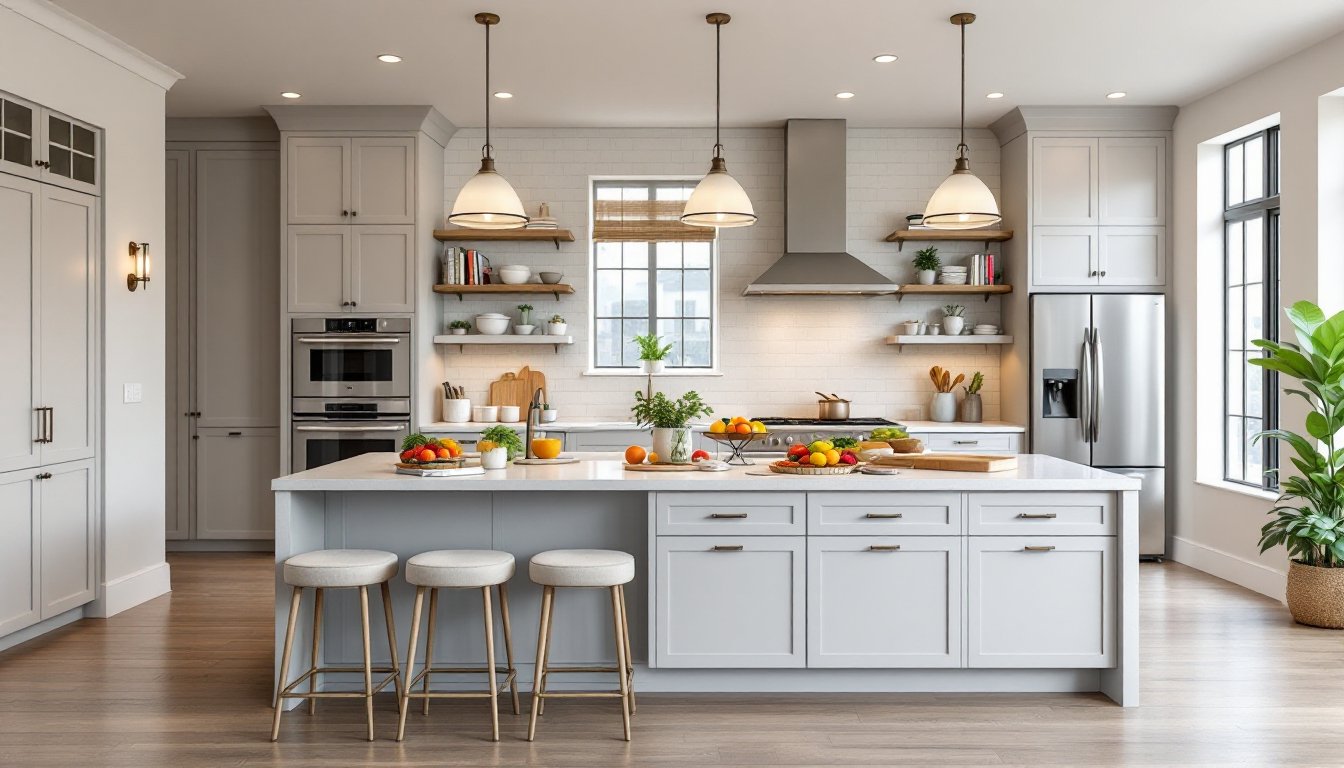
A kitchen island is a freestanding or semi-permanent counter structure positioned in the center or middle section of your kitchen, separate from the main cabinetry and walls. Unlike a peninsula (which connects to an existing wall or cabinet run), an island stands alone and is accessible from all sides, or at least three sides in most residential kitchens.
At its core, a kitchen island serves as a work station and social hub. It extends your prep area, gives you another spot to place appliances or a cooktop, and creates a natural gathering point where family members can sit while you cook or entertain. Some islands are simple countertop extensions with storage underneath: others are fully equipped with sinks, ranges, wine fridges, or dishwashers.
Islands also define kitchen zones. They separate the cooking area from the dining or living space, which helps contain splatters and odors while maintaining an open-concept feel. This zoning is especially valuable in smaller homes where you need the kitchen to feel part of the living area without looking cramped or chaotic.
The minimum footprint for a functional island is roughly 2 feet deep by 3 to 4 feet long, though larger islands (4 by 6 feet or more) are ideal if your square footage allows. You’ll also need at least 42 inches of clearance on each side for comfortable passage, 36 inches is technically the minimum per building code, but 42 to 48 inches feels less cramped when you’re moving between the island and cabinets with groceries or cookware.
Key Benefits of Adding a Kitchen Island to Your Home
Increased Counter Space and Storage Solutions
Counter real estate is gold in any kitchen. An island instantly adds 10 to 30 square feet of prep, plating, and serving surface depending on its size. This extra space is invaluable if you entertain regularly, cook complex meals, or simply need room to spread out recipes, cutting boards, and ingredients without crowding your perimeter counters.
Benefit-wise, you’re not just gaining countertop footage, you’re gaining versatility. One section might hold your mixer or coffee station: another becomes a buffet zone during dinner parties. And unlike wall-mounted counters, an island’s sides and underside become storage opportunities. Most islands include base cabinetry or open shelving for cookbooks, small appliances, linens, or pantry overflow.
Drawer and cabinet configuration matters. Deep drawers under an island work better than doors for grabbing utensils or pots without bending awkwardly, while closed cabinetry hides clutter from the sight line. Open shelving looks modern and lets guests see your dinnerware or glassware, but requires everything to be organized and dust-free.
Beyond aesthetics, a strategically placed island can hide utilities. If your plumbing or electrical runs through the island base, it’s out of sight and protected, though this requires careful planning and permits during construction.
Improved Workflow and Functionality
The workflow benefit of an island is about positioning. If your island houses a secondary sink, prep station, or small cooktop, you’re no longer stuck in a linear “triangle” workflow where you bounce between stove, sink, and fridge. Cooks call this the work triangle, and breaking it up with an island actually reduces steps and fatigue during meal prep.
Consider a practical example: You’re prepping a holiday meal. Your main prep station is at the island’s sink. Your mise en place (prepped ingredients) sits on the island’s counter. Your cooktop is 6 feet away on the perimeter. Instead of walking to the sink, back to your prep counter, then to the stove repeatedly, you’re moving more efficiently in a compressed area. For serious home cooks, this alone justifies the investment.
Seating at an island also changes kitchen dynamics. A 3 to 4-foot overhang on one side, with bar stools or chairs underneath, lets kids do assignments, guests linger with coffee, or your spouse keep you company while you cook. This isn’t just comfort: it’s functionality. You’re not isolated facing a wall while family is in the other room. The kitchen becomes the gathering place it should be.
Work surface height matters too. Standard counters sit at 36 inches: bar seating typically sits at 36 inches for the counter side and 24 to 26 inches for stool seat height. If your island includes a cooktop or main sink, it follows standard counter height. If it’s purely for prep or bar seating, you have flexibility. Mixing heights (a 36-inch prep surface with a 42-inch bar overhang) is possible but requires careful carpentry and can look awkward, so most builders stick with standard 36-inch throughout.
Popular Kitchen Island Styles and Designs
Kitchen islands come in as many styles as kitchens themselves. Your choice depends on your kitchen’s architecture, your budget, and whether you’re doing a full renovation or a simpler addition.
Stationary/Built-In Islands are the most common and permanent. These are constructed in place with cabinetry, electrical rough-in, and plumbing installed during renovation or new construction. They’re heavy, thousands of pounds, and require proper support from flooring joists below. Built-in islands suit open-concept kitchens where the island is a focal point and won’t need to move. A typical 4-by-6-foot built-in island with standard cabinetry, countertop, and bar seating costs $3,000 to $8,000 depending on materials and finishes: add a cooktop or sink, and you’re looking at $5,000 to $12,000+.
Portable/Freestanding Islands are smaller, lighter, and can be moved if you rearrange your kitchen. These include stainless steel kitchen carts, repurposed dressers with a butcher-block top, or lightweight modular island systems. They’re ideal for renters, smaller kitchens, or if you want to test an island before committing to a built-in. Costs range from $200 to $1,500 depending on quality and materials.
Peninsula Islands (technically not true islands since they attach to a wall or existing cabinetry) work well in smaller spaces or galley kitchens where a true island would block traffic flow. They provide many of the same benefits, extra counter, storage, seating, with less footprint disruption.
Material choices also define the look and function. Butcher block or wood countertops feel warm and traditional, suit farmhouse or rustic kitchens, but require regular oiling and are prone to stains and water marks. Quartz or granite (engineered stone or natural quarried material) offers durability and low maintenance, suits modern or contemporary kitchens, and costs $50 to $150 per square foot installed. Stainless steel is professional and hygienic, ideal for kitchens with cooktops or prep-heavy workflow, but shows fingerprints and can feel institutional. Laminate is budget-friendly but less durable and less fashionable: it suits secondary islands or temporary setups.
Base cabinetry finishes matter as much as the countertop. Modern kitchens favor flat-panel cabinetry in white, gray, or bold colors paired with minimalist hardware. Traditional kitchens use raised-panel doors, decorative molding, and oil-rubbed bronze or brass pulls. Coastal or farmhouse styles often feature open shelving paired with wood stain or whitewashed finishes. Resources like The Kitchn and kitchen island design galleries showcase how different finishes affect the overall aesthetic.
Appendages and add-ons personalize your island. Cooktops or ranges require ventilation (a downdraft vent built into the island or an overhead hood), electrical service, and gas or electric supply, all needing permitting. Secondary sinks require plumbing runs and drainage, adding complexity and cost. Wine fridges, beverage coolers, or warming drawers turn the island into an entertainment hub. Open shelving displays cookbooks, serving dishes, or decorative objects. Decorative corbels, toe-kick details, or contrasting countertop edges add visual interest without functional cost. Seating overhang, usually 12 to 15 inches, requires leg space below: standard bar-height stools run 24 to 26 inches from seat to floor and sit under 12 inches of overhang. Oversized cushioned seating or upholstered bar stools look luxe but collect crumbs and need regular cleaning.
Size and proportion are critical. A small kitchen (under 200 square feet) rarely accommodates a large island without feeling cramped: a 3-by-5-foot island or a cart-style alternative works better. Medium kitchens (200 to 400 square feet) suit 4-by-6-foot islands comfortably. Large kitchens (over 400 square feet) can handle 5-by-8-foot islands or even multiple work zones. Designers at Houzz offer comprehensive guidance on island sizing and placement that accounts for traffic flow, appliances, and seating.
One practical tip: If you’re considering adding an island, measure your kitchen in scale (use a 1:50 or 1:48 scale if sketching by hand, or use free online kitchen planners like those offered by cabinet makers). Position the island to ensure at least 42 inches of clearance on all sides and that appliance doors and drawers open without hitting the island. This simple step prevents costly mistakes during construction.
Conclusion
A kitchen island is more than a design trend, it’s a practical solution that adds counter space, storage, and social functionality to your kitchen. Whether you’re building a stationary, fully equipped island with a cooktop and sink or installing a simple cart-style workspace, the right island fits your cooking style, your space, and your budget. Start by measuring your kitchen, assessing your workflow needs, and reviewing design inspiration to identify what works for your home. With thoughtful planning and realistic expectations about cost and installation, a kitchen island can transform your kitchen into a more efficient, enjoyable, and inviting space for years to come.